 CN


Welcome to call for consultation
Professional technical consultants are at your service 24 hours a day!
 0519-86153308
 czhddl@163.com
Contact Us

 Page views:Update time:
 Product Introduction
1 Process Description
Selective Non-Catalytic Reduction (hereinafter abbreviated as SNCR) is a mature commercial NOₓ control technology. The SNCR process mainly injects nitrogen-containing chemicals into flue gas at a specific temperature to reduce NO into nitrogen and water. By contrast, Selective Catalytic Reduction (SCR) can remove NOₓ at a much lower temperature owing to the use of catalysts. Both processes take advantage of the selectivity of nitrogen agents for NOₓ reduction, which effectively prevents the nitrogen reducing agents from reacting with abundant oxygen in lean-burn flue gas; hence they are referred to as selective reduction methods. The two processes share the same chemical reaction principle.
Industrial application of SNCR technology started at some oil-fired and gas-fired power plants in Japan in the mid-1970s. In EU countries, SNCR was put into industrial use at some coal-fired power plants from the late 1980s. The application of SNCR technology in the United States began in the early 1990s. At present, the total installed capacity of the SNCR process for coal-fired power plants worldwide exceeds 2 GW.
2 Advantages of SNCR Technology
Compared with other denitrification technologies, SNCR has the following advantages:
Satisfactory denitrification performance: When applied to large pulverized coal-fired boilers, long-term on-site operation of SNCR generally achieves a NOₓ removal efficiency of 30–50%. For circulating fluidized bed boilers, the denitrification efficiency can reach 50~75%.
Diverse and readily available reducing agents: Reducing agents used for NOₓ removal in SNCR are generally nitrogen-containing substances, including ammonia, aqueous ammonia, cyanuric acid and various ammonium salts (ammonium acetate, ammonium bicarbonate, ammonium chloride, ammonium oxalate, ammonium citrate, etc.). Liquid ammonia and aqueous ammonia deliver favorable performance and are widely adopted in practical applications.
No secondary pollution: SNCR is a clean technology that produces no solid or liquid pollutants or by-products, resulting in zero secondary pollution.
Good economic performance: Since the SNCR reaction is driven by high temperature inside the boiler and an expensive catalyst system is not required, its capital investment and operating costs are relatively low.
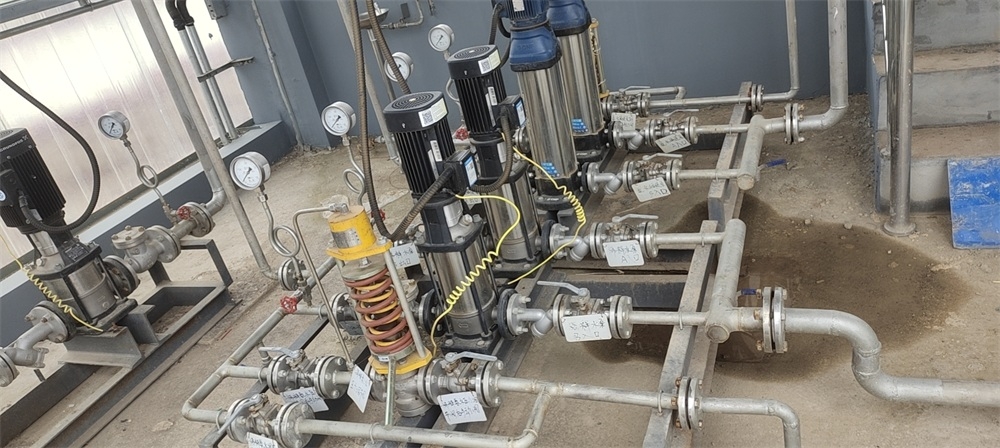
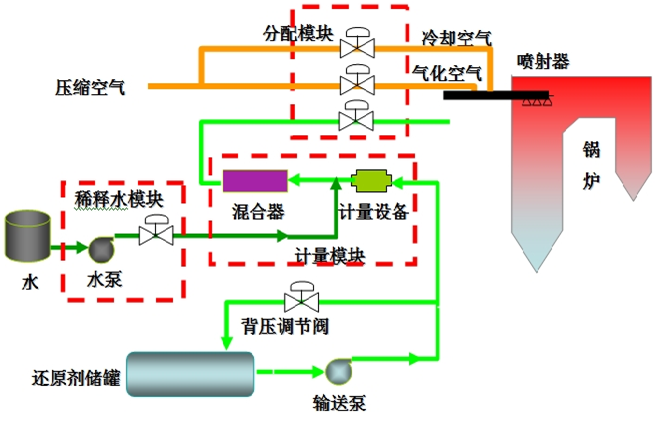
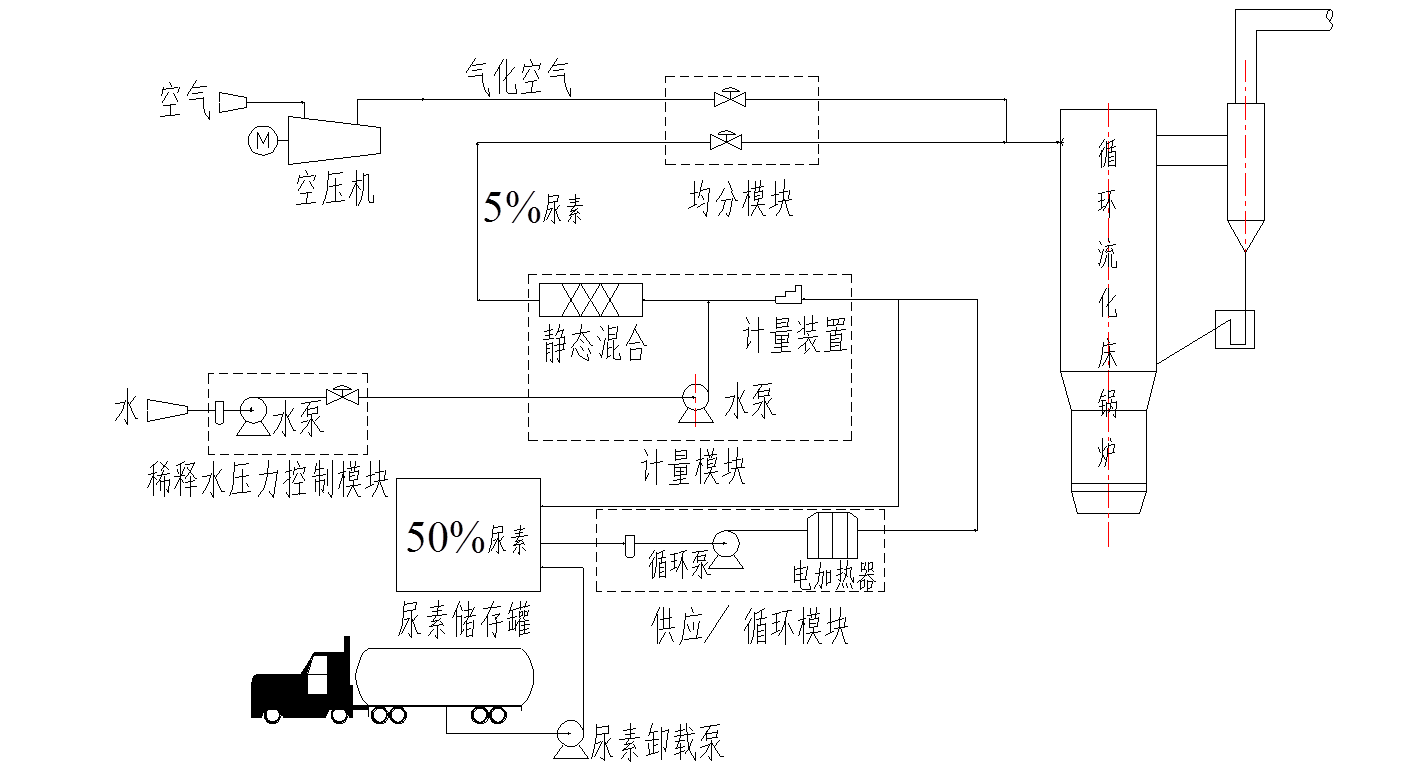
Simple system and short construction period: The core systems of SNCR are the reducing agent storage system and injection system. Major equipment includes storage tanks, pumps, spray guns, as well as necessary pipelines and measurement & control devices. Benefiting from simple equipment, SNCR features a short installation cycle. Furnace construction can be completed during a short overhaul, requiring only about 10 days of boiler shutdown.
SNCR technology does not require major modifications to boiler combustion equipment and heating surfaces, nor does it alter the normal boiler operation mode. It will not exert a significant impact on key boiler operating parameters.
 Previous: None
 Online Message

Welcome to call for consultation
Professional technical consultants are at your service 24 hours a day!
0519-86153308
czhddl@163.com
Contact Us
 Product Center
 Related Articles